
Oily Hair: Why Harsh Sulfates Trigger Sebum Rebound & How to Balance It Naturally
Washing daily with aggressive clarifying shampoos shocks sebaceous glands into producing more oil. Learn how to break the cycle with soothing astringents.
Carlos Mendoza
Hair Phytotherapy Specialist
1. The vicious cycle of oily hair
Waking up with slick roots, flat strands, and an urgent compulsion to wash your hair every single morning is one of the most frustrating hair dilemmas. The intuitive reaction is reaching for the most aggressive 'deep-clarifying' detergent shampoo on supermarket shelves.
However, most conventional formulas rely on Sodium Lauryl Sulfate (SLS) and harsh surfactants that completely strip the skin's protective lipid barrier. The outcome is deeply counterproductive: instead of eliminating oiliness, it intensifies it.
2. The biology behind the rebound effect
Sebum is a protective biological substance produced by your sebaceous glands to shield the scalp from microbial overgrowth and moisture loss. When an ultra-stripping cleanser strips 100% of this protective mantle, dermal sensors trigger an emergency response, overproducing a compensatory surge of sebum within hours. This is the rebound effect.
Physiological Principle: An oily scalp also requires hydration. If you strip away moisture, your glands will compensate by pumping out more oil to protect the skin.
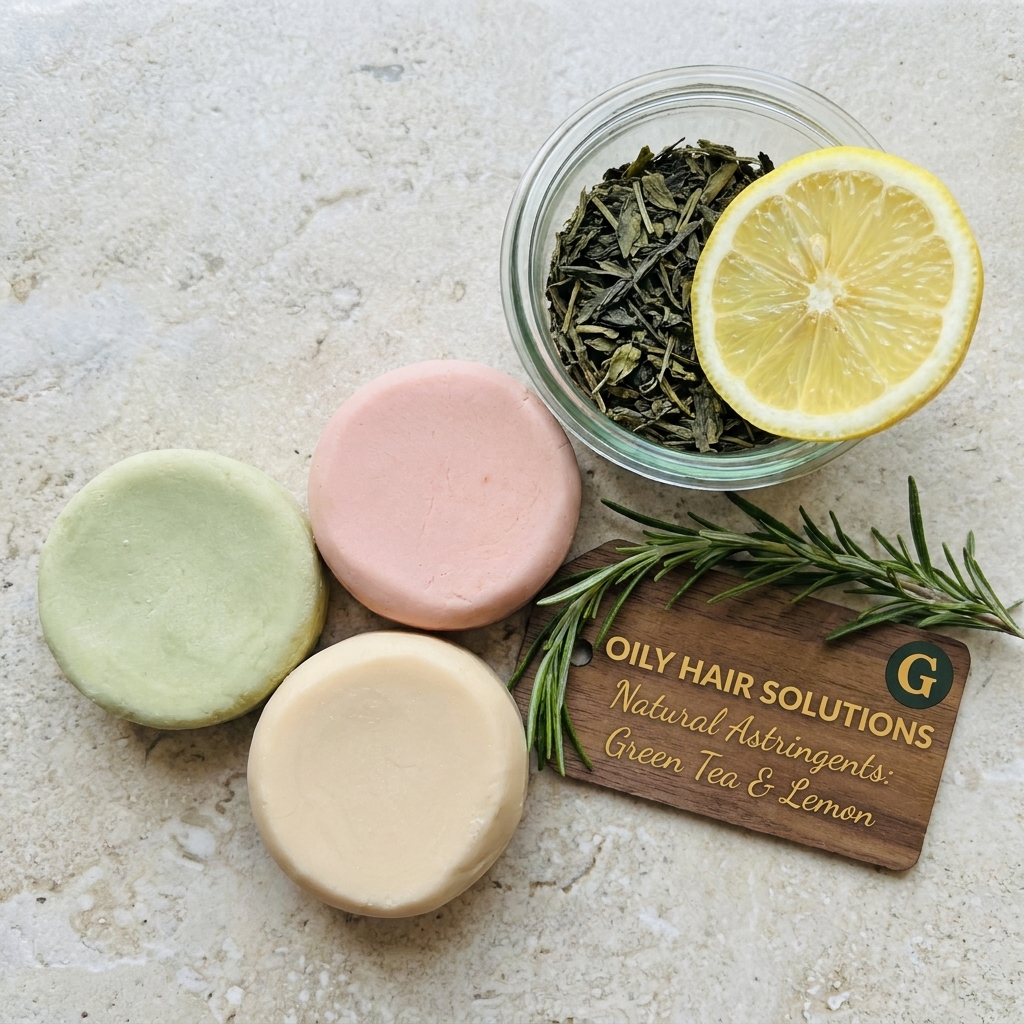
3. The botanical triad: Lemon, Chamomile & Pink Clay
- Lemon essential oil: Natural astringent that gently dissolves excess sebum and purifies pores.
- Chamomile extract: Calms dermal inflammation and soothes itching sensations.
- French pink clay: Gently absorbs impurities and environmental buildup without drying the strands.
Carlos Mendoza
Hair Phytotherapy Specialist
Passionate about botanical chemistry, skin-compatible pH formulation, and zero-waste bathroom transitions.
Related Articles
View all blog →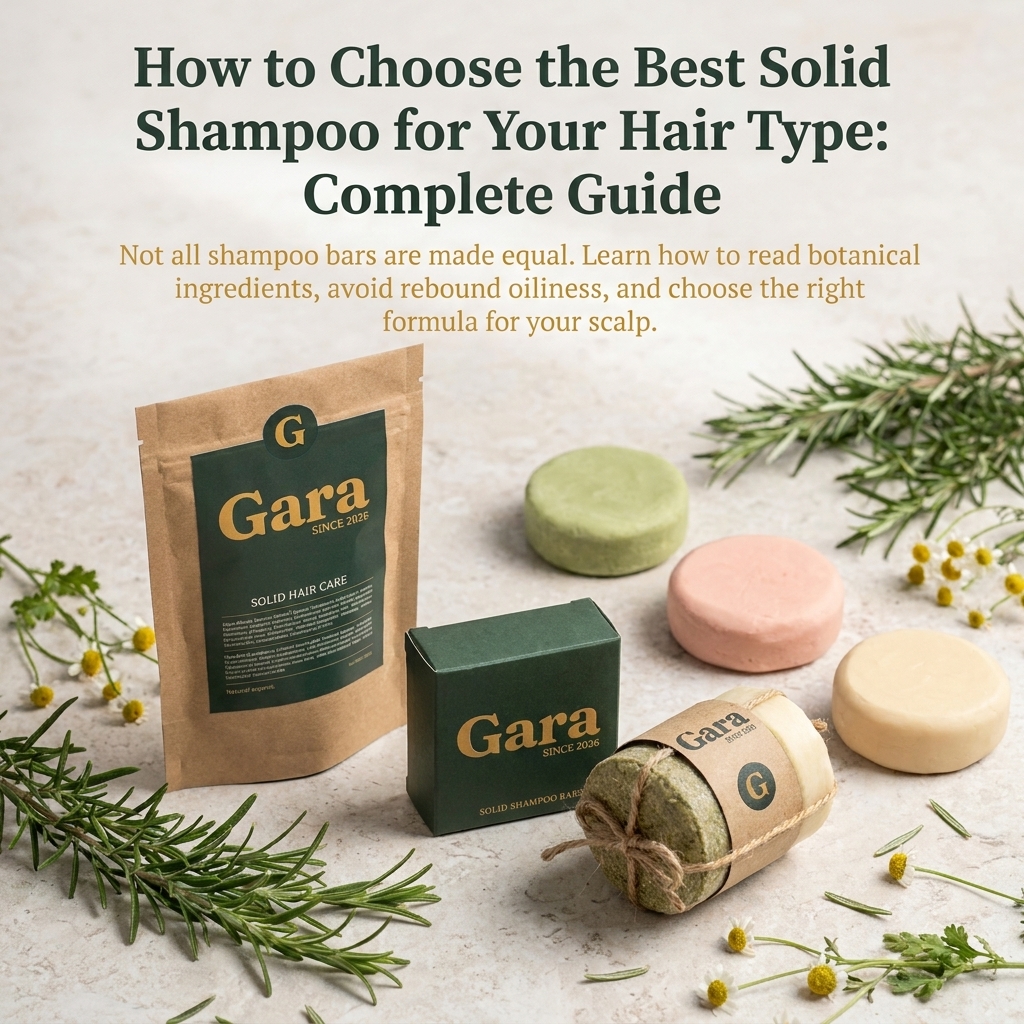
How to Choose the Best Solid Shampoo for Your Hair Type: Complete Guide
Not all shampoo bars are made equal. Learn how to read botanical ingredients, avoid rebound oiliness, and choose the right formula for your scalp.
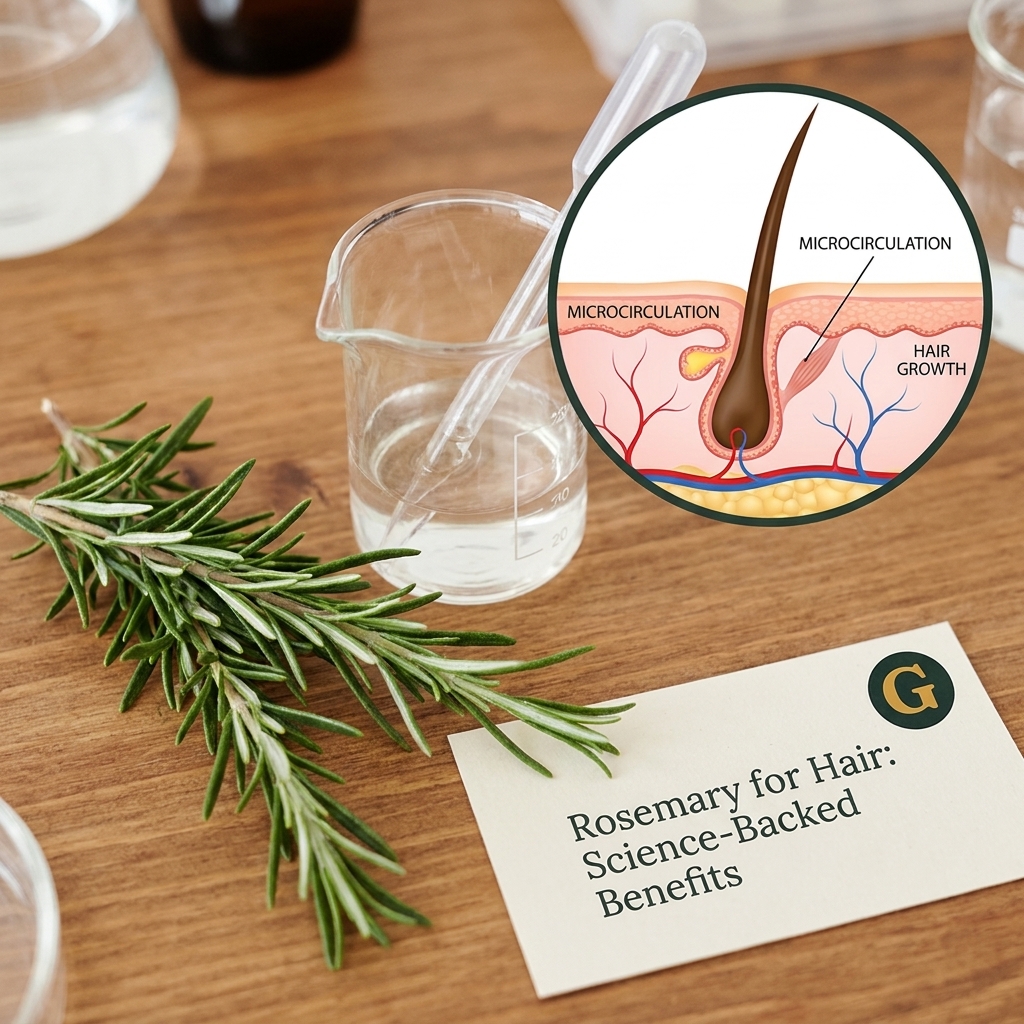
Rosemary for Hair: Science-Backed Benefits for Hair Growth and Reducing Hair Loss
Rosemary (Salvia rosmarinus) is one of the most studied botanicals in trichology. Discover how it activates follicle microcirculation and strengthens thinning hair.
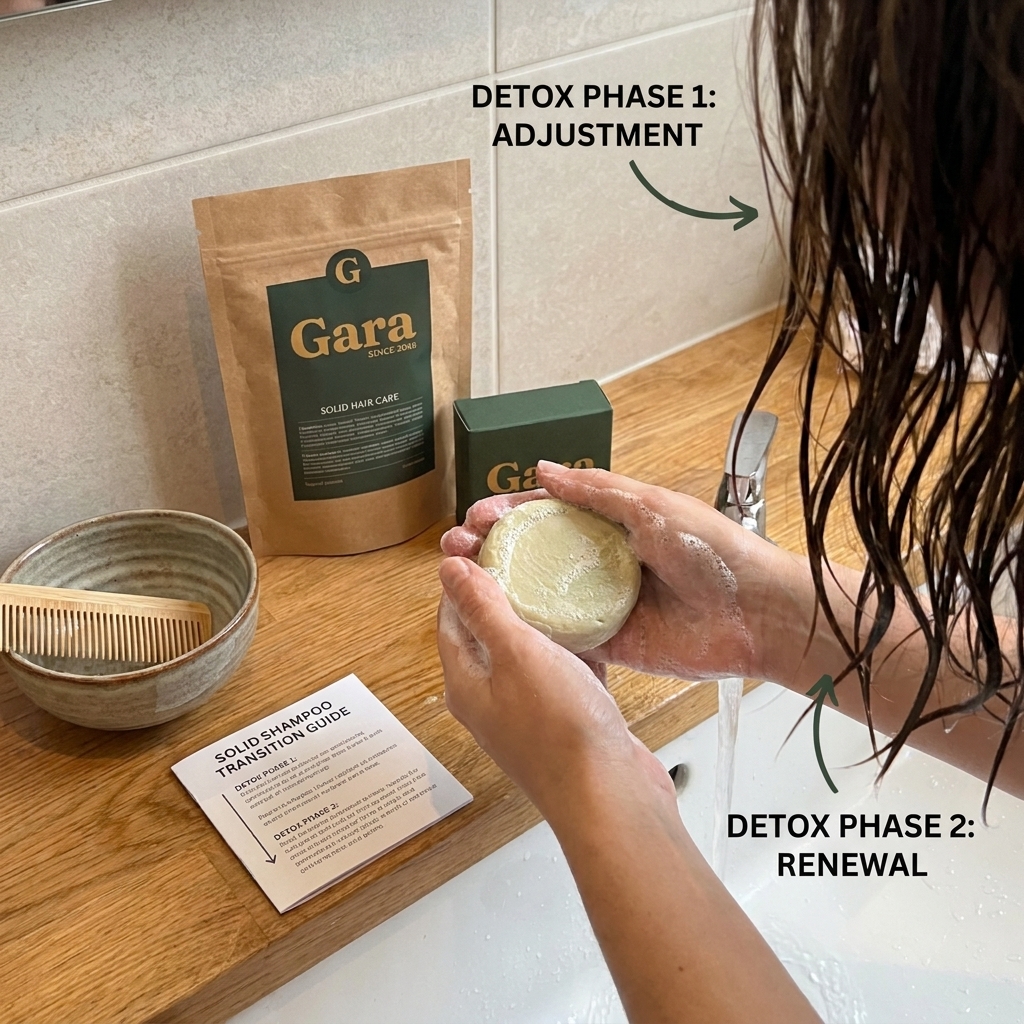
Solid Shampoo Transition Period: What to Expect, Detox Phases & How to Succeed
When giving up synthetic silicones and harsh sulfates, your hair undergoes an adjustment period. Here is exactly what happens and how to breeze through it in days.